
Student Deposit Return Nottingham: Secure Your Full Refund
Moving out of your student house can feel stressful enough without worrying about your money. For many residents, securing a full student deposit return in Nottingham often comes down to practicing a few simple habits throughout your tenancy.
Student Deposit Return Nottingham: How to Protect Your Money
Fortunately, you can easily avoid most security deposit disputes. Letting agents usually just look for clear evidence that tenants looked after the property responsibly and reported maintenance issues promptly. You can learn more about how holding deposits work across the UK by reviewing the UK Government Tenancy Deposit Protection rules.
Cleanliness Drives a Successful Student Deposit Return in Nottingham
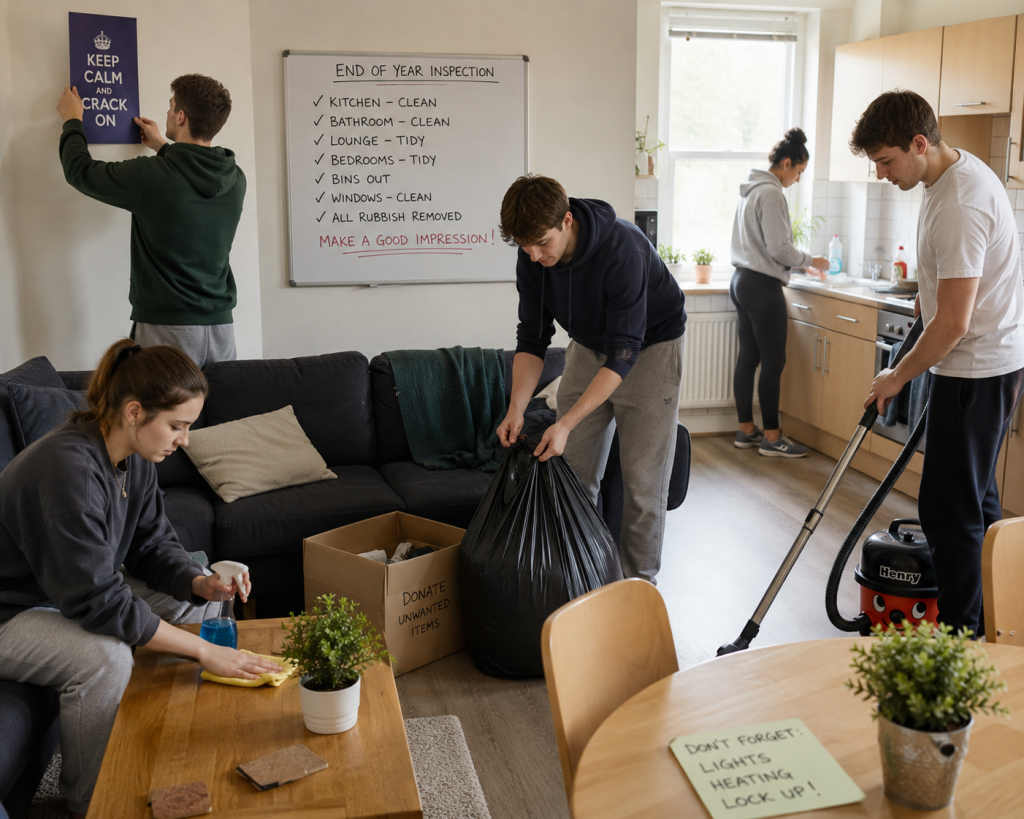
Basic cleaning issues cause the vast majority of deposit reductions. A property does not need to look brand new when you vacate, but you must return it in a similar condition to your move-in day. Regular cleaning sessions throughout the academic year feel far easier, and cost significantly less, than tackling months of grime during your final week.
Areas that consistently attract the closest attention during final inspections include:
- Kitchen worktops, surfaces, and large appliances
- Ovens, extractors, and hobs
- Bathroom tiles, shower screens, and limescale build-up
- Carpets, rugs, and communal flooring
- Waste bins and total rubbish removal
- Dust on skirting boards, door frames, and furniture
- Fridge and freezer interiors
Student houses naturally experience routine wear and tear, and letting agents fully understand that people live in the properties. However, heavy carpet staining, deep kitchen grease, or avoidable damage caused by poor cleaning habits frequently trigger deductions. Organise group cleaning days with your housemates before checking out to simplify the process and eliminate last-minute moving panic.
Report Maintenance Issues Early to Protect Your Funds
Reporting property issues as soon as they appear represents one of the most overlooked strategies for securing your student deposit return in Nottingham. Small problems quickly escalate into expensive repairs if you leave them unresolved.
For example, a minor drip under a kitchen sink can eventually rot the surrounding flooring or destroy kitchen cupboards if nobody reports it to the management team. Similarly, you can handle condensation issues, loose structural fittings, or faulty white goods much faster when you identify them early.
Letting agents highly appreciate tenants who communicate clearly and promptly about property concerns because early action protects the building over the long term. Students should submit a maintenance ticket quickly for:
- Water leaks, ceiling stains, or sudden damp patches
- Broken kitchen or laundry appliances
- Faulty door locks, handles, or windows
- Heating drops or boiler pressure problems
- Electrical faults or broken sockets
- Loose fixtures, banisters, or fittings
Always keep a digital record of your maintenance emails or tenant portal submissions so you can reference them clearly if any questions arise during your final checkout inspection.
Understand Fair Wear and Tear vs. Actual Damage
A common misunderstanding among university tenants involves the clear legal line between property damage and fair wear and tear. Fair wear and tear refers to the natural, expected deterioration that happens through normal everyday living. Things like slightly worn hallway carpets, minor paint fading, or tiny wall scuffs naturally occur over time.
Conversely, agents define damage as avoidable harm caused by negligence, direct misuse, or accidents. This category typically includes:
- Broken furniture or cracked mirrors
- Holes in plasterboard walls from posters or darts
- Cigarette or iron burn marks on flooring
- Missing items that belonged to the landlord
- Deep carpet stains that require full replacement
- Widespread water damage caused by unreported plumbing leaks
Most letting agents assess these differences objectively by comparing the condition of the house at the start and end of your lease using your signed move-in inventories and original check-in photographs.
Outdoor Areas Affect Your Final Inspection
If your rental property features a private garden, rear patio, or outdoor courtyard, inspectors will include this space in your final walk-through. Simple upkeep tasks like disposing of garden rubbish, cutting back excessive overgrowth, and wiping down outdoor furniture will prevent unnecessary financial deductions. Landlords expect basic seasonal upkeep rather than professional landscaping, but leaving a tidy exterior creates an excellent overall impression.
Quick Move-Out Checklist for Nottingham Students
Before you officially move out of your property, complete these essential steps to maximize your chances of a full refund:
- Dispose of all household rubbish correctly and remove all unwanted personal items
- Clean kitchens and bathrooms thoroughly with proper lime-remover and degreaser
- Defrost, empty, and wipe out the fridge and freezer units completely
- Check every room carefully against your original move-in inventory report
- Replace any missing lightbulbs or broken inventory items
- Report any accidental damage to your agent before your final checkout hour
- Take clear photos and video evidence of every room once you finish cleaning
- Return all house and bedroom keys to the letting agent exactly on time
A little consistent effort throughout the year saves an immense amount of money and stress when move-out day arrives.
Use our student property search to find your perfect accommodation match for the upcoming academic year.